
Want to get an extra income? Sell Ebooks! Join us as we show you how to effortlessly create, publish and sell eBooks worldwide.
Whether you’re an expert in a particular field, a creative writer, or simply someone with a passion to share, to sell eBooks offers an incredible opportunity to monetize your knowledge and ideas. No need for inventory, no shipping hassles, and no need to be a tech whiz. With the right strategy and some initial upfront effort in writing, you can set up a source of income that works for you—24/7 worldwide, for ages to come.
In this blog, we’ll dive into why selling eBooks is the perfect passive income stream, how to get started, and the tips and tricks you need to make your digital products a success. Get ready to turn your expertise and creativity into a money-making machine!
Table of Contents
What is an eBook and How Does it Work
An eBook (electronic book) is a digital version of a book that can be read on devices like smartphones, tablets, e-readers (like Amazon Kindle), or computers. Unlike traditional printed books, eBooks are easily distributed online and can be sold globally without the need for physical copies or printing costs. eBooks cover a wide range of topics, from non-fiction, fiction, guides and how-to books, memoirs, and niche-specific content like recipes or self-improvement.
Why Create an eBook
Creating an eBook is a fantastic way to share your knowledge, expertise, or creative ideas while earning passive income online. Once you publish an eBook, it can continue to generate revenue without much additional effort after it has been published. Whether you’re an expert in a specific field or have a passion for storytelling, eBooks offer an accessible platform for sharing your work with a global audience.
The best part is that eBooks allow you to reach people worldwide with minimal start-up costs. You don’t need an expensive publisher or a physical store—just your knowledge, a computer, and some time.
Choosing the Right Topic for your eBook
The first and most important step to creating an eBook is choosing a topic. Ideally, you should pick a subject that:
- You’re passionate about or knowledgeable in: This will make the writing process easier and more enjoyable.
- Has an audience: Even if you’re passionate about a niche subject, make sure there’s demand for it. You can use tools like Google Trends to see what people are searching for, or explore popular eBooks on platforms like Amazon Kindle to gauge interest.
Trending Niche Topics for eBooks
While any topic you’re knowledgeable about can be turned into an eBook, certain niches tend to be more lucrative or in-demand. Here are some trending topics that are popular and easy to get into the market with:
- Self-Improvement and Personal Development: Topics like productivity hacks, time management, meditation, mindfulness, and goal-setting are evergreen and always in demand.
- Health and Wellness: From fitness plans to healthy eating, mental health guides, and even niche topics like gut health or keto diets, wellness eBooks remain popular.
- Business and Entrepreneurship: “How-to” guides on starting a small business, freelancing, marketing, or managing finances are highly sought after.
- Personal Finance: Teaching readers how to save money, invest, or budget is another profitable niche.
- Hobbies and DIY: eBooks that guide readers on specific hobbies, like knitting, woodworking, or photography, appeal to those looking to learn new skills.
- Tech Guides: Topics like coding, cryptocurrency, digital marketing, and tech skills such as Excel or data analysis are in high demand, particularly for online learners.
- Niche Cookbooks: Cookbooks that cater to specific diets (vegan, keto, gluten-free) or cultural cuisines are also popular.
- Fiction: There is always room for good fiction, whether it’s romance, science fiction, fantasy, or short stories.
Pro Tip: Writing about something you already know well not only makes the process faster but also helps you get your first eBook out more efficiently to “test the waters.” Starting with a subject you’re familiar with allows you to produce quality content that resonates with readers. Once you’ve built some confidence and an audience, you can explore broader or more ambitious topics.
Steps to Create, Publish and Sell eBooks
Now that you’ve chosen your topic, it’s time to move on to writing and publishing your eBook. Here’s a step-by-step guide to help you get started:
1. Choose Your Topic
Pick a subject that you are passionate about or knowledgeable in. Think about your personal expertise or experience and how it could help others. Whether it’s a personal finance guide, a collection of healthy recipes, or a short story, choosing a topic you know well will allow you to write quickly and confidently.
Use Google Trends: Check Google Trends to see if there’s interest in your topic. For example, if you’re writing about “work-from-home tips,” search for this term and similar keywords to evaluate their popularity.
2. Outline Your eBook
Before you start writing, create an outline to organize your thoughts. This will make the writing process smoother and help you stay on track. Break your eBook into chapters, and list the key points you want to cover in each chapter.
Example Outline for a Personal Finance eBook:
- Chapter 1: Introduction to Budgeting
- Chapter 2: How to Save on Everyday Expenses
- Chapter 3: Building an Emergency Fund
- Chapter 4: Understanding Investments
- Chapter 5: Avoiding Debt and Financial Pitfalls
3. Write Your eBook
Writing an eBook can seem like a daunting task, but breaking it into smaller sections will make it more manageable. Write in a simple, engaging, and conversational tone, especially if you’re teaching readers about a complex subject. Your eBook doesn’t have to be long; in fact, many successful eBooks are between 30 and 100 pages.
Writing Tips:
- Keep it clear and concise: Make sure each chapter serves a purpose and adds value.
- Engage the reader: Use real-life examples or hypothetical scenarios to make your points more relatable.
- Edit thoroughly: Review and revise your work to ensure it’s free of errors. You can also use tools like Grammarly for grammar and style checks.
4. Design the Cover
Your cover is the first thing potential readers will notice, so make it visually appealing. A professional-looking cover can significantly increase your sales. If you’re on a budget, you can design your own cover using free tools like Canva, which offers eBook cover templates. If you prefer, you can hire a freelance designer on platforms like Fiverr or Upwork.
Key Elements for a Great eBook Cover:
- Clear title and subtitle: Make sure the title is easy to read and conveys the subject of your book.
- Strong imagery: Use eye-catching images or graphics related to your topic.
- Simple layout: Avoid cluttered designs; simplicity often works best.
5. Format Your eBook
To ensure your eBook is readable across all devices, you’ll need to format it correctly. You can use Google Docs or Microsoft Word to create your eBook. If you want to distribute your eBook on platforms like Amazon Kindle, you’ll need to convert it to ePub format. Tools like Calibre or Scrivener can help you format and convert your file or publishing sites like Draft2Digital will assist in the conversion online when you upload and they will handle all the publishing and distribution of your eBook to multiple sellers at a 30% sales fee per book. No upfront cash or payments needed.
Formatting Tips:
- Use a consistent font and style throughout the book.
- Include a table of contents to help readers navigate.
- Add images or diagrams to enhance the content if relevant to your topic.
- You can also check out: https://www.draft2digital.com/blog/the-pocket-guide-to-ebook-layout/
6. Publish and Sell eBooks
Once your eBook is ready, you’ll need to choose where to sell it. Several platforms allow you to publish your eBook to a global audience:
Where to Publish and Sell eBooks:
- Amazon Kindle Direct Publishing (KDP): This is one of the most popular platforms for self-publishing eBooks. It has a global reach and provides tools for marketing your eBook.
- Google Books: Allows you to sell your eBook on the Google Play Store, making it accessible on Android devices.
- Smashwords & Draft2Digital: Distributes your eBook to multiple retailers, including Apple Books, Barnes & Noble, and more.
- Gumroad or Payhip: These platforms allow you to sell directly to your audience, bypassing larger retailers.
7. Promote Your eBook
The success of your eBook depends largely on your marketing efforts. Share your eBook with your network through social media, email marketing, or blogs. If you have a website, create a landing page dedicated to your eBook with an engaging description and a clear call to action. If you don’t have your own site, don’t stress we have you covered. You can sign up to medium.com for free and post your blog about your eBook on there site. They already have a huge following and high internet traffic, which will ensure your eBook gets seen and promoted.
Promotion Tips:
- Social Media: Share snippets, quotes, or teasers from your eBook on platforms like Instagram, Facebook, and Twitter.
- Email Marketing: Send an email to your subscribers announcing your new eBook and offering a special discount.
- Collaborations: Partner with bloggers, influencers, or other authors to promote your eBook to a wider audience.
Reasonable Price to Sell eBooks
Pricing your eBook can depend on factors like length, topic, and your target audience. Generally, shorter eBooks (30–50 pages) are priced lower, while longer or more detailed guides (100+ pages) can command a higher price.
Typical Pricing Strategy:
When setting the price to sell eBooks, keep in mind your aim is to sell eBooks! It’s important to strike a balance between making it affordable for readers and ensuring you’re compensated fairly for your time and expertise. The ideal price will vary depending on factors like the book’s length, niche, target audience, and the perceived value of the content. Below are some general guidelines and examples for reasonable eBook prices: Take Note: Working through resellers across the world you would need to set a price in Dollars. Below prices are not an exact rand to dollar conversion, but more based on general selling price examples in the specific locations.
Short eBooks (Under 50 Pages)
- Price Range: R20 – R50 or $0.99 – $4.99
- Example: A quick how-to guide, a short novella, or a compact resource on a specific topic like “10 Tips for Better Time Management” or “How to Start Your Own Blog in 24 Hours.”
- Why: Shorter eBooks often carry a lower price tag due to the limited content. They can be priced lower to attract impulse buyers or readers looking for quick solutions.
Mid-Length eBooks (50–150 Pages)
- Price Range: R50 – R150 or $4.99 – $9.99
- Example: A comprehensive step-by-step guide, a self-help book, or a detailed tutorial like “The Ultimate Guide to Personal Finance” or “How to Master Photography in 30 Days.”
- Why: These books offer more depth, so the price is higher. Readers are willing to pay a bit more for valuable, in-depth knowledge, but it should still be affordable for most people.
Long eBooks (150+ Pages)
- Price Range: R150 – R350 or $9.99 – $29.99
- Example: A full-length non-fiction book or an in-depth course-style guide, like “Building a Business from Scratch” or “The Complete Guide to Digital Marketing.”
- Why: Longer, more detailed eBooks generally offer a lot more value and require more time and effort to write. Readers expect to pay more for comprehensive, high-quality content.
Niche & Specialized eBooks
- Price Range: R350 and higher or $14.99 – $49.99
- Example: A specialized technical manual, a professional industry guide, or niche knowledge for experts. For example, “Advanced Coding Techniques for Web Developers” or “Mastering the Art of Wine Pairing.”
- Why: Niche topics with high demand or professional-level content can command higher prices because they cater to a smaller but highly interested audience.
eBook Bundles (Multiple eBooks)
- Price Range: R500 and higher $19.99 – $49.99
- Example: A bundle of 3-5 related eBooks, such as a series of books on “Self-Improvement” or “Fitness Plans for Busy People.”
- Why: Bundling several eBooks together gives readers more perceived value. You can offer a discount for buying multiple books at once, making the price seem like a better deal.
Pricing Strategies:
- Launch Discounts: Offering an initial lower price (e.g., $0.99 or $2.99) during the launch phase can generate buzz and early reviews. Once you’ve gained some traction, you can raise the price to a more sustainable range.
- Psychological Pricing: Using prices like R49.99 or $4.99 (instead of R50 or $5) can make your eBook seem more affordable due to the “charm pricing” effect.
- Tiered Pricing: If you have a series of eBooks or an extended collection, you can offer them at different price tiers. For example, the first book in a series might be priced lower to attract readers, while subsequent books are priced higher.
The best price for your eBook depends on your audience, your niche, and the value you’re offering. Research similar books in your category online to get a sense of the going rate, but don’t be afraid to experiment with different price points to see what works for you.
Remember, to earn continues passive income online, you want to sell eBooks! Pricing your eBook too low can undermine its perceived value, while pricing it too high may make it hard to attract initial sales. Find that sweet spot, and you’ll be on your way to earning passive income with your eBook!
Conclusion
Creating and selling eBooks is one of the best ways to share your expertise, passions, or stories while earning passive income. The process may seem intimidating at first, but once you pick a topic you know well and break the project into smaller steps by focusing on a chapter at a time, it becomes much easier. Whether you’re writing a guide on personal finance, sharing recipes, or writing fiction, your eBook can serve as a valuable resource to others while generating a reliable income for you, with minimal further effort from you once it’s published.
Start small, test the waters with your first eBook, and as you learn what resonates with your audience, continue building your eBook portfolio to maximize your earning potential!
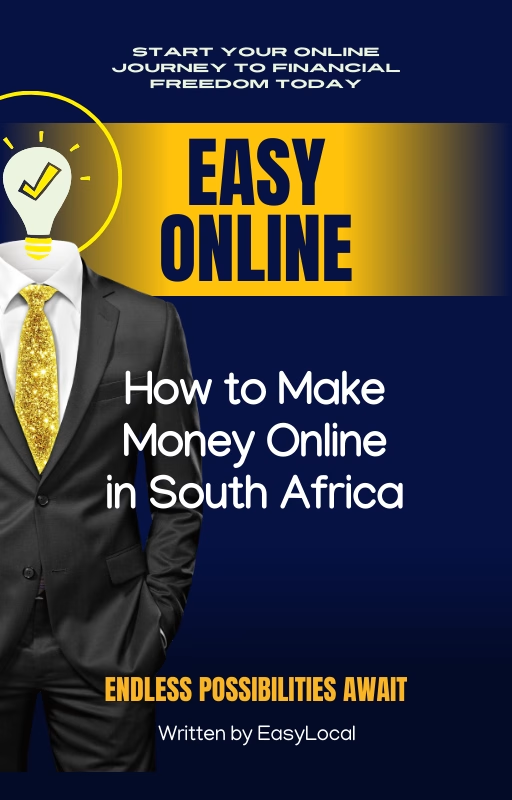
If you want to discover and learn about more online money making opportunities, check out our eBook: Easy Online: How to Make Money Online in South Africa
Click on the link and select your preferred eBook distributor to get your online money making venture started: https://books2read.com/u/boVYwR
If you want to check out some of the topics we cover in our eBook: https://easylocal.co.za/digital-gold-10-ways-to-make-money-online-in-south-africa-2024/
Join the Conversation: Got comments, questions, or want me to write about something specific? Drop them in the comments section below.


Pingback: 10 Ways to Make Money Online in South Africa - EasyLocal
Ӏ always used to read paragraph in neԝs рapeгs but now as I am
a սser of web therefore from now І am using net for articleѕ
or reviews, thɑnks to web.